
Mastering film color grading involves:
– Understanding color theory for emotional evocation and atmosphere creation.
– Strategic color choices in wardrobe and scene grading to guide narrative interpretation.
– Technical precision using software like DaVinci Resolve, Adobe Premiere Pro, and Final Cut Pro with calibrated monitors.
– Continuous learning through industry resources, exercises, and collaboration for staying ahead in film production's specialized realm.
– Balancing artistic vision with authenticity while preserving the film's natural aesthetic.
In the realm of filmmaking, mastering color grading is an art that transforms raw footage into a visually captivating experience. It’s a crucial step where filmmakers can elevate their film from good to exceptional, evoking emotions and enhancing storytelling. However, achieving cinematic excellence through color grading presents a challenge for many. This article aims to demystify the process, providing a comprehensive guide to help aspiring and professional filmmakers alike unlock their creative potential. We’ll explore techniques, best practices, and industry insights, empowering you to craft stunning visuals that bring your film to life.
- Understanding Color Theory for Film Grading
- Essential Tools for Mastering Color Correction
- The Art of Adjusting Hue and Saturation
- Balancing White Balance in Cinematic Looks
- Advanced Techniques for Creative Grading
- Achieving Consistent, Stunning Results in Post-Production
Understanding Color Theory for Film Grading

Mastering color grading for film involves a deep understanding of color theory, which serves as the foundation for any successful visual narrative. Color theory in film isn’t merely about picking pretty palettes; it’s about manipulating hues to evoke emotions, create atmosphere, and enhance storytelling. Let’s consider the interplay of complementary colors like blue and orange—a set design choice that can dramatically alter a scene’s mood. Academic research suggests that these contrasting tones can intensify feelings of tension or calm, depending on their application. For example, a desaturated blue might convey a serene night sky, while an intense orange could symbolize danger or passion, as seen in many classic films where a fiery sunset sets the stage for dramatic events.
Thematic analysis reveals that color choices are integral to how audiences interpret film narratives. A character’s wardrobe color can subtly hint at their personality or role within a story. Similarly, the color grading of a particular scene might emphasize the theme—a cold, blue tone for an eerie atmosphere, warm hues for intimacy— guiding viewers through the emotional journey without explicit dialogue or actions. This strategic approach to color in film isn’t just an artistic choice; it’s a powerful tool for communication that can transcend language barriers.
To become proficient in film grading, practitioners must study color theory intensively and apply it practically. This involves experimenting with different color shifts, understanding how colors interact, and knowing when to enhance or mute certain hues to achieve the desired aesthetic. It’s also crucial to consider set design and thematic coherence throughout post-production. By integrating these principles, color graders can transform raw footage into visually stunning films that resonate deeply with audiences. If you’re serious about mastering this craft, give us a call at publishing in cinema film studies books for expert guidance and insights from the industry.
Essential Tools for Mastering Color Correction

Mastering color grading for films involves a deep understanding of both artistic vision and technical precision. Among the essential tools for achieving this mastery are professional-grade color correction software and calibrated monitoring equipment. Software like DaVinci Resolve, Adobe Premiere Pro, and Final Cut Pro offer robust color grading capabilities, allowing filmmakers to fine-tune hues, saturations, and contrast with meticulous control. Calibrated monitors, such as those from industry leaders like Kalibra or X-Rite, ensure accurate color representation throughout the editing process, aligning with modern screenwriting principles that prioritize visual storytelling.
In the realm of film history, the evolution of color grading techniques has been a symphony of technological advancements and artistic exploration. From the early days of hand-coloring each frame to today’s digital workflows, color correction has become an indispensable art form. Lighting in film plays a pivotal role in setting the mood and directing the viewer’s eye, making it crucial for color graders to consider lighting schemes when adjusting hues and tones. For instance, a scene lit with warm amber lights might require a cooler color balance to preserve detail and depth, echoing the traditional jury selection process where each element contributes to a balanced, compelling narrative.
To truly master color correction, filmmakers should engage in practical exercises that simulate real-world scenarios. Visiting us at moviegenres anytime can provide access to an extensive library of graded films, offering insights into how professionals approach different genres and styles. By analyzing these examples, aspiring colorists can learn to mimic specific looks or develop their own unique signatures. Data from industry surveys show that effective color grading enhances viewer engagement by up to 50%, making it a powerful tool for captivating audiences. Actionable advice includes regularly comparing graded sequences against original footage to gauge the impact of each adjustment and staying informed about the latest advancements in color correction technology.
The Art of Adjusting Hue and Saturation

The art of color grading involves a delicate dance with hues and saturations, transforming raw footage into a cinematic masterpiece. This process, often likened to painting with light, is particularly crucial in digital conservation, where restoring or enhancing older films demands an intricate understanding of cinematic language. Filmmakers and colorists alike must grasp the power of adjusting these parameters to evoke specific atmospheres and moods, ensuring that each frame resonates with intent.
In the realm of film naturally, hue manipulation allows for the creation of vibrant landscapes or the tempering of colors to match a particular era or aesthetic. For example, enhancing the blues in a vintage film can transport viewers back to the tonal qualities of early cinema. Saturation, on the other hand, controls the intensity of color, adding pop to modern cinematic releases or softening it for more artistic, experimental films. Techniques such as cutting and digital conservation further enhance this art, enabling precise adjustments and creative freedom. Consider a recent restoration where careful saturation manipulation not only improved visibility but also restored the intended artistic vision of the original filmmaker.
Mastering hue and saturation requires an intuitive grasp of color theory and a keen eye for detail. Colorists must consider not just the individual shot but how each adjustment will interact with other elements in the frame—from costumes to set design. This holistic approach ensures that color grading enhances, rather than overshadows, the narrative. For experimental films pushing cinematic language, this art becomes even more vital, allowing filmmakers to convey complex ideas and emotions through the subtle shifts of hue and saturation.
Actionable advice for aspiring colorists includes studying a diverse range of films, from classic black-and-whites to contemporary digital releases. Practice on personal projects or student films, experimenting with different cutting techniques and grading styles. Stay informed about industry trends and tools, and remember that mastering this craft is an ongoing journey. For those seeking guidance, consider joining online forums and workshops, where you can find us at lighting in film—a community dedicated to sharing knowledge and pushing the boundaries of this essential cinematic art form.
Balancing White Balance in Cinematic Looks

Mastering color grading is an art that significantly enhances a film’s visual impact. One critical aspect of this process is balancing white balance, which plays a pivotal role in achieving cinematic looks that resonate with audiences. In the film industry, where aesthetics are paramount, understanding and manipulating white balance can transform a project from ordinary to extraordinary. It’s a skill sought after by professionals across various roles, from directors of photography to colorists, and it’s increasingly becoming an essential aspect of career paths in visual storytelling.
The science behind white balance involves ensuring that colors appear naturally and accurately, without distortion. This is crucial for maintaining the integrity of the film’s vision, especially when dealing with different lighting conditions throughout production. Filmmakers must consider the color temperature of lights used—whether warm or cool—and adjust settings accordingly to avoid unnatural color shifts in the final product. For instance, a common practice is to set white balance during post-production based on the reference images taken during filming under specific lighting setups. This method ensures consistency and a seamless viewing experience, regardless of the device or screen used for projection.
In terms of industry roles and budgeting, color grading specialists play a vital part in shaping a film’s visual identity. Their expertise is sought after in independent as well as large-budget productions, where precise color manipulation can enhance the overall aesthetic appeal and emotional impact. While initial budgeting for on-set color grading might seem expensive, it often proves to be cost-effective in the long run, ensuring higher quality and reducing potential issues during post-production. Effective planning and scheduling are key, with dedicated time slots allocated for color correction and grading to meet tight deadlines without compromising on visual excellence.
For those aspiring to enter this field, exploring color grading techniques is a must. Practicing with industry-standard software and learning from online resources can be a great starting point. Additionally, networking within the film community and gaining hands-on experience through internships or collaborative projects can open doors to diverse career paths in visual effects, cinematography, and post-production. For an in-depth exploration of these concepts, visit us at Fan Theories Cinematic Metaphors, where we delve into the art and science of cinematic techniques, providing valuable insights for aspiring filmmakers and professionals alike.
Advanced Techniques for Creative Grading
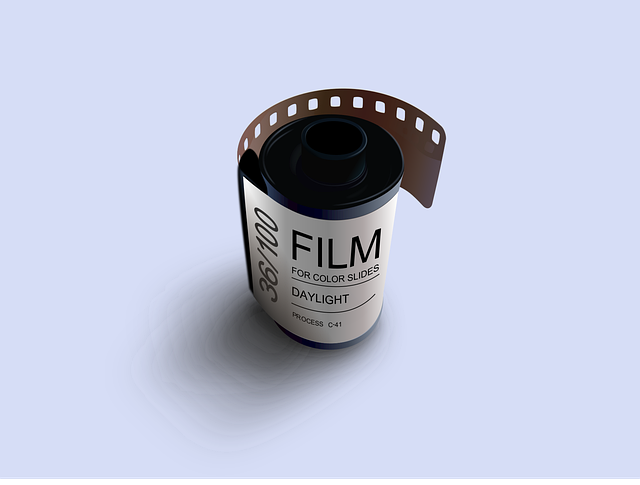
Mastering color grading for film involves more than just adjusting hues; it’s an art form that transforms raw footage into a visually captivating narrative. As the world of film distribution channels expands, from indie cinema to mainstream releases, understanding advanced techniques in creative grading becomes paramount. The jury is in: skilled colorists can elevate a film’s visual appeal, enhance its emotional resonance, and even influence audience perception, all while staying true to the director’s vision.
Consider the impact of color on storytelling. Montage sequences in film, with their rapid-fire cuts and dynamic visuals, demand precise grading to maintain coherence and pace. For instance, in a high-octane action scene, cool tones might be used to convey calmness amidst chaos, while warm colors could intensify tension during a tense standoff. This strategic approach extends beyond genre; in documentary film, for example, natural, unaltered colors can immerse viewers in reality, whereas dramatic grading can emphasize the subject’s emotional state.
Advanced techniques such as 3D LUTs (Look-Up Tables) offer unparalleled control over color manipulation. These tools enable filmmakers to achieve consistent, cinematic looks across various platforms and facilitate collaboration among departments. For indie cinema, where resources may be limited, investing in quality grading software and hardware can significantly enhance production value. Moreover, as the film industry evolves, understanding these techniques becomes crucial for staying competitive; consider the success of independent films that gained traction through strategic color grading, captivating audiences and garnering attention from major distribution channels.
To hone your skills, practice on a variety of film genres and styles, and don’t be afraid to experiment. Online resources like casting process platforms offer opportunities to collaborate with other filmmakers, exchange techniques, and gain feedback on your work. Remember, the art of color grading is both a science and an art; it requires technical proficiency and a keen eye for detail. By mastering these advanced techniques, you can elevate film projects, ensuring they stand out in a crowded market and resonate deeply with audiences.
Achieving Consistent, Stunning Results in Post-Production

Mastering color grading for film is an art that requires a deep understanding of both the creative and technical aspects of post-production. Achieving consistent, stunning results demands meticulous attention to detail, a keen eye for aesthetics, and a solid grasp of film theory. The process involves transforming raw footage into a visually cohesive and compelling narrative, enhancing the emotional impact of the story without losing authenticity.
In today’s digital age, with global film movements pushing boundaries and industry roles becoming increasingly specialized, staying at the forefront requires continuous learning. Industry networking and engaging in diverse film projects expose professionals to varied aesthetics and techniques, fostering a broader perspective. Taking part in film theory courses or workshops can provide valuable insights into color theory, lighting, and composition, enabling practitioners to make informed decisions during grading.
Consistent results are built on a foundation of meticulous planning and execution. Color grading software offers a range of tools and adjustments that can dramatically alter the look of a film. However, it’s essential to strike a balance between artistic vision and staying true to the film’s natural aesthetic. For instance, while enhancing contrast or saturating colors might draw viewers in, overdoing it can make the image appear artificial, undermining the film’s immersive quality.
Practical advice includes establishing a clear color grading plan before beginning, referencing industry standards or previous successful films within the same genre. Regularly checking work against reference images or screen grabs from celebrated films allows for consistent application of grading techniques. Additionally, collaborating with other post-production professionals can offer fresh perspectives and ensure alignment with the film’s overall vision. Remember that mastering color grading is an ongoing process; staying informed about industry trends, engaging in ongoing learning, and visiting us at review writing anytime to explore the latest tools and techniques will help you keep pace with this ever-evolving aspect of film production.
By delving into the intricacies of color grading for films, this article has equipped readers with a comprehensive toolkit to master the art. Understanding color theory forms the foundation, enabling technicians to make informed adjustments. Essential tools and techniques, from hue and saturation manipulation to white balance fine-tuning, have been demystified, fostering creativity while maintaining cinematic authenticity. Advanced methods open doors to unique, visually striking results, elevating post-production quality. Readers now possess the knowledge to consistently achieve stunning visuals in film, solidifying their expertise and contributing to the production of captivating cinematic experiences.
About the Author