Film theory empowers viewers to interpret cinema's intricate "language" by analyzing visual elements, narrative structures, and symbolism. Critical analysis uncovers nuances in cinematography, lighting, and sound design. Techniques like CGI animation and digital technology expand creative possibilities. Understanding narrative techniques, from linear to non-linear storytelling, enhances appreciation. Visual symbolism and themes evoke universal human experiences. Global film platforms necessitate critical theories for inclusive dialogues. Sound and music guide viewers through narratives, evoking emotions and manipulating time. Film theory has evolved with media changes, incorporating philosophical insights and challenging narratives. Digital resources and streaming enhance understanding of cinematic techniques and their societal impact.
Film theory, a cornerstone of cinematic art, empowers viewers to delve deeper into the complex language of moving images. Understanding film theory allows us to appreciate the intricate interplay of visuals, sound, editing, and narrative that naturally shape our emotional responses and interpretations. However, its abstract nature can pose a challenge for those new to this realm. This article aims to demystify film theory by providing a comprehensive, yet accessible guide. We will explore fundamental concepts, trace historical developments, and demonstrate practical applications, ultimately empowering readers to critically analyze and deeply appreciate the cinematic experience.
- Unlocking Film Theory: A Comprehensive Guide
- Understanding Cinematic Language and Structure
- Exploring Narrative Techniques in Film
- Deconstructing Visual Symbolism and Themes
- The Role of Sound and Music in Cinema
- Historical Context and Evolution of Film Theory
Unlocking Film Theory: A Comprehensive Guide
Film theory, a multifaceted discipline, serves as the backbone of cinematic artistry, empowering viewers to appreciate the intricate language of film. Unlocking its secrets involves delving into the interplay of visual elements, narrative structures, and symbolic meanings that shape our viewing experiences. This comprehensive guide aims to demystify film theory by exploring fundamental concepts and their practical applications in understanding and creating compelling cinematic narratives.
At the heart of film theory lies critical analysis, a process that encourages viewers to look beyond the surface. By examining camera angles, framing, and lighting in film, we uncover subtleties that convey mood, character relationships, and thematic depth. For instance, low-angle shots can make subjects seem powerful and dominant, while high-angle shots may evoke vulnerability. Lighting in film, whether natural or artificial, plays a pivotal role in setting the tone and directing the audience’s focus. Masterful use of green screen technology allows filmmakers to transport actors into fantastical worlds, blurring the lines between reality and imagination.
Film theory is not merely an academic pursuit; it empowers filmmakers to craft narratives that resonate with audiences. Understanding cinematic techniques enables directors and editors to make intentional choices, shaping every frame to convey their vision effectively. As the world of film continues to evolve, embracing these theoretical frameworks allows creators to push boundaries and engage viewers in profound and meaningful ways. For those eager to explore further, find us at digital conservation cinematic language—a resource dedicated to unlocking the intricate beauty of film theory in practice.
Understanding Cinematic Language and Structure
Understanding Cinematic Language and Structure is a cornerstone of film theory, transforming how we perceive and interpret visual storytelling. Film, as an art form, employs a unique blend of elements—from cinematography to sound design—to convey narratives and evoke emotions. One of the key aspects that sets it apart from other mediums is its ability to combine still images, motion, and audio in a seamless manner, creating a powerful, immersive experience. This organic interplay of visual and auditory cues forms the very essence of cinematic language.
Consider the art of CGI animation, where digital artists craft intricate worlds and characters, seamlessly integrating them into live-action sequences. This advanced technology not only enhances visual storytelling but also opens doors to creative possibilities that were once impossible. For instance, films like Avatar (2009) pushed the boundaries of CGI, creating a visually stunning Pandora that captivated audiences worldwide. Similarly, pre-production planning plays a pivotal role in shaping a film’s structure. Storyboards and script breakdowns allow filmmakers to visualize scenes, plan camera angles, and map out transitions, ensuring a cohesive narrative flow. During this phase, decisions regarding lighting, composition, and framing are also made, all of which contribute to the final aesthetic.
Cinematic editing schools offer valuable insights into refining these structural elements. Expert editors meticulously shape raw footage, using cuts and transitions to guide viewers’ attention and control pacing. This process involves an artistic eye for rhythm and timing, ensuring that every shot serves a purpose in advancing the story or enhancing atmosphere. For example, fast-paced editing in action sequences can heighten tension, while slower edits during emotional moments allow audiences to absorb the narrative weight. As the indie cinema movement gains traction, independent filmmakers often experiment with non-linear storytelling and unconventional structures, challenging traditional norms.
To gain a deeper understanding of these cinematic techniques, consider visiting us at film distribution channels, where you can explore diverse content from around the world. By immersing yourself in various forms of visual storytelling, you’ll develop a more nuanced perspective on how structure and language contribute to the overall cinematic experience. Remember that mastering film theory is an ongoing process, one that requires constant engagement with different genres, styles, and techniques—a journey that can be immensely rewarding for both creators and audiences alike.
Exploring Narrative Techniques in Film
The exploration of narrative techniques in film is a captivating journey into the heart of cinema’s artistic expression. Film, as an art form, transcends mere entertainment; it weaves intricate tales that resonate with audiences worldwide. Through innovative storytelling methods, filmmakers craft experiences that evoke emotion, challenge perceptions, and leave lasting impressions. This section delves into the strategies that bring stories to life on the silver screen, offering insights into how movies engage viewers and shape our understanding of various movie genres.
Narrative techniques in film are diverse and multifaceted, ranging from classic linear storytelling to non-linear structures that puzzle and captivate. Filmmakers employ these methods to convey messages, evoke specific emotional responses, or even challenge conventional semiotics of cinema. For instance, the use of flashbacks in dramas allows for a deeper exploration of character backstories, while parallel narratives in thrillers create a sense of suspense and intrigue. By manipulating time and perspective, filmmakers can paint complex pictures, ensuring every scene contributes to the overall narrative arc. Marketing strategies for these films often emphasize these unique storytelling elements, highlighting how they differ from typical conventions, thus attracting audiences seeking fresh cinematic experiences.
Consider the iconic film Memento (2000), which presents a backward-unfolding narrative, challenging viewers to piece together the protagonist’s journey. This non-linear approach not only engages the audience actively but also underscores the film’s themes of memory and identity. Similarly, exploring different time frames in Inception (2010) creates a multi-layered story that delves into the subconscious mind, demonstrating how narrative techniques can transform the way we perceive reality within cinema. As the global film industry continues to evolve, understanding these techniques becomes paramount for filmmakers and enthusiasts alike.
To gain deeper insights into crafting compelling narratives, consider reaching out to mentorship programs that offer specialized training in screenwriting and film theory. These resources provide practical advice on structuring stories, developing characters, and utilizing visual cues effectively. By staying informed about the latest trends and exploring different film genres, both behind and in front of the camera, one can contribute to the ever-evolving landscape of cinema, ensuring films remain a powerful medium for storytelling and artistic expression.
Deconstructing Visual Symbolism and Themes
Film theory involves a deep exploration of visual symbolism and themes within cinematic art. Deconstructing these elements allows viewers to understand the layers of meaning embedded in films, enhancing their appreciation and critical analysis. Visual symbols can range from color palettes that evoke specific emotions to recurring motifs that represent larger ideas or concepts. For instance, directors often employ darkness and shadows in suspenseful scenes to heighten tension, while warmer tones might signify comfort or nostalgia. These symbolic elements become a language of their own, allowing filmmakers to communicate complex narratives without explicit dialogue.
Furthermore, themes are the backbone of any compelling film. They provide a framework for the story’s development and offer insights into human experiences. Filmmakers use narrative structures to explore universal themes like love, loss, identity, or societal issues. A classic example is how films set in times of war can delve into themes of courage, sacrifice, and humanity amidst conflict. By deconstructing these visual symbols and themes, viewers can engage in a deeper conversation about the film’s message and its relevance to their own lives. This analytical approach not only enriches the viewing experience but also fosters a critical understanding of cinema as an art form.
As the popularity of online film platforms and film festivals continues to grow, so does the importance of critical theories in interpreting these visual narratives. Cinematic art has evolved to become a global medium, with diverse voices contributing to its rich tapestry. Exploring themes and symbolism across different cultures and genres enables viewers to appreciate the universality of certain human experiences while also celebrating cultural uniqueness. This multifaceted aspect of film theory encourages a more inclusive dialogue, where the analysis of visual elements becomes a bridge connecting audiences from various backgrounds.
To delve deeper into these concepts, visit us at lighting in film. Our resources provide actionable insights and practical exercises to enhance your understanding of film theory. By exploring critical theories and engaging with diverse cinematic expressions, both on online platforms and at film festivals, you can develop a sharper eye for visual symbolism and themes. This expertise not only enhances your enjoyment of films but also opens doors to meaningful discussions about the art and its impact on society.
The Role of Sound and Music in Cinema
Sound and music are integral components of film that shape our cinematic experience. They act as a powerful narrative tool, enhancing emotional impact and guiding viewers through the rhythm and pace of a story. In film, audio elements can convey as much information as visual ones, often adding layers of subtlety or depth that enrich our understanding of characters and settings. For instance, the use of ambient noise in historical dramas can transport audiences to different eras, while strategic music cues during action sequences evoke excitement and tension.
The role of sound design extends beyond simply accompanying visuals; it actively contributes to the overall film as a cultural reflection. Film critics often analyze auditory elements for their ability to reinforce or subvert expectations, create atmosphere, and even comment on societal issues. Consider how silence in a tense scene can heighten suspense, or how specific sounds might mirror the emotional states of characters. Set design, too, intersects with audio, as ambient noises unique to various environments enrich our sensory experience and help tell a film‘s story more convincingly.
Rhythm and pace, controlled through sound and music, are vital in maintaining viewer engagement. A well-crafted soundtrack can propel the narrative forward, accelerating or slowing the film‘s tempo according to its emotional demands. This manipulation of time and energy is evident in many iconic films where music becomes synonymous with pivotal moments: think of the frenetic score during a chase scene or the mournful melody accompanying a somber moment of reflection. By carefully considering audio-visual integration, filmmakers can create a symphony of sensation that resonates deeply with audiences.
If you’re interested in exploring these dynamics further, visit us at set design to discover how these elements come together to craft immersive cinematic experiences.
Historical Context and Evolution of Film Theory
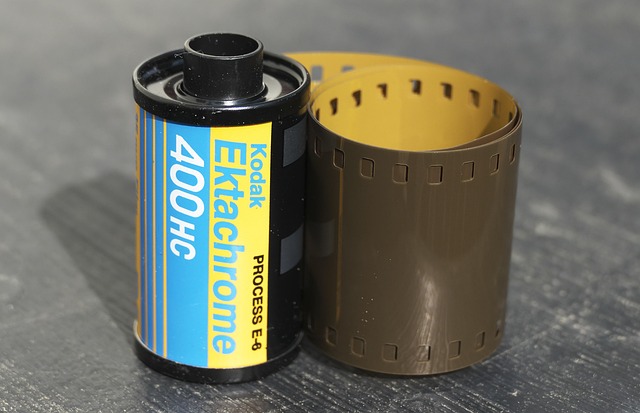
The evolution of film theory reflects a rich historical context where artistic expression, technological advancements, and societal shifts intertwine. From its early beginnings in the late 19th century to the present day, film theory has undergone metamorphosis, influenced by changing viewing habits, new media platforms, and the relentless pursuit of storytelling innovation. Initially, as cinema emerged from the shadows of arcades and became a mass medium, theoretical discourse focused on technical aspects like camera angles, editing rhythms, and lighting techniques—the very tools that gave life to the silver screen. This era laid the foundation for understanding film as an art form, with pioneers like D.W. Griffith advocating for artistic expression through cinematic language.
As the 20th century unfolded, film theory deepened its exploration, incorporating philosophical and psychological insights. The rise of critical analysis, heavily influenced by thinkers like Sigmund Freud and Jean Piaget, led to interpretations that delved into the subconscious mind’s role in perception and the construction of reality within cinematic frames. This period also saw the emergence of movement-based theories, such as Formalism and Structuralism, which analyzed film as a series of visual and auditory elements, emphasizing the language of cinema itself. Restoration techniques became an integral part of this evolution, preserving archival practices that ensured the survival of classic films, allowing future generations to appreciate cinematic milestones.
The latter half of the century witnessed a further expansion of theoretical frameworks, with post-structuralist theories challenging traditional notions and introducing concepts like deconstruction and narrative fragmentation. This shift reflected a broader cultural movement away from grand narratives and toward more diverse, localized stories. Today, film theory continues to evolve, embracing digital technologies and streaming platforms while retaining its critical focus on storytelling, visual aesthetics, and the societal impact of cinema. By examining these historical contexts and theoretical developments, we gain valuable insights into how film has shaped our collective consciousness and vice versa, underscoring the profound interconnection between art, technology, and culture. For tailored guidance on lighting in film or to explore restoration techniques, give us a call at lighting in film—we’re here to help bring your cinematic visions to life.
By unlocking the layers of film theory presented in this guide, readers have gained a comprehensive understanding of the cinematic art form. From grasping the linguistic nuances of shots and scenes to interpreting visual symbolism and sound design, each section has offered profound insights into how films communicate. Exploring narrative techniques has revealed the intricate dance between story, structure, and audience engagement. The historical context illuminates the evolution of film theory, demonstrating its dynamic nature.
Practical applications for these learnings are vast: from enhancing critical viewing experiences to informing creative choices in film production and analysis. By Film’s inherent ability to evoke emotion, convey complex ideas, and tell stories that resonate, it continues to captivate audiences worldwide. This guide serves as a foundation, encouraging readers to continue exploring the rich tapestry of cinematic expression.
About the Author