Understanding fundamental cinematography principles is crucial for critically analyzing classic film techniques. Key elements include natural light, camera angles, framing, and movement. Lighting and framing in archival films enhance emotional resonance. Techniques like deep focus and unusual angles challenge narratives. Hand-held cameras and surrealist framing push boundaries. Mastering lighting and composition creates visually stunning scenes transcending time. Classic film editing manipulates footage to drive narrative momentum, with iconic montage sequences demonstrating its power. Modern editors use advanced software but core principles remain rooted in storytelling. Study cinema history and diverse styles for effective modern film editing.
The art of cinematography has long been a cornerstone of film, shaping our visual experiences and emotional connections to stories. As we delve into the realm of classic film cinematography techniques, it becomes evident that these methods continue to influence modern storytelling. However, with the rapid evolution of technology, understanding the fundamentals and historical approaches can be challenging for contemporary filmmakers. This article offers an in-depth exploration of classic cinematography, providing insights and practical knowledge that bridge generations of filmmaking, naturally enhancing the craft for both novice and seasoned professionals alike.
- Understanding Basic Cinematography Principles in Film
- Exploring Visual Storytelling Techniques Across Genres
- The Art of Lighting and Composition for Impactful Scenes
- Classic Film Editing: Shaping Narrative Flow and Rhythm
Understanding Basic Cinematography Principles in Film
Understanding basic cinematography principles is essential to critically analyzing classic film techniques. Cinematic art, as demonstrated in archival practices of renowned films from award seasons 1 through 3, involves a complex interplay of lighting, framing, and camera movement. For instance, the use of natural light in classic films like “Citizen Kane” (1941) creates depth and emotional resonance by manipulating shadows to convey character states. Cinematographers back then would meticulously position cameras at specific angles—often low or high—to dramatize scenes, a technique still taught in film schools today.
Framing, another critical element, involves how subjects are composed within the shot. Wide shots can evoke a sense of place and context, while close-ups reveal intimate details and emotions. A classic example is Alfred Hitchcock’s use of framing in “Psycho” (1960), where narrow frames heighten tension during the shower scene. Moreover, camera movement—pans, tilts, and tracks—can guide viewer attention and evoke specific reactions. The fluid, sweeping movements in “Lawrence of Arabia” (1962) mirror the vastness and unpredictability of the desert landscape.
Masterful cinematography is not merely about technical proficiency; it’s an artistic language that communicates themes and emotions. Studying these principles in classic films offers valuable insights for aspiring filmmakers. For instance, analyzing how different camera angles and lighting can transform a mundane scene into a powerful narrative device can enhance storytelling skills. To put it simply, understanding the fundamentals of cinematography is like learning a new alphabet—it enables you to create visually stunning and emotionally resonant films. Give us a call at sound design fundamentals to complete your cinematic toolkit.
Exploring Visual Storytelling Techniques Across Genres
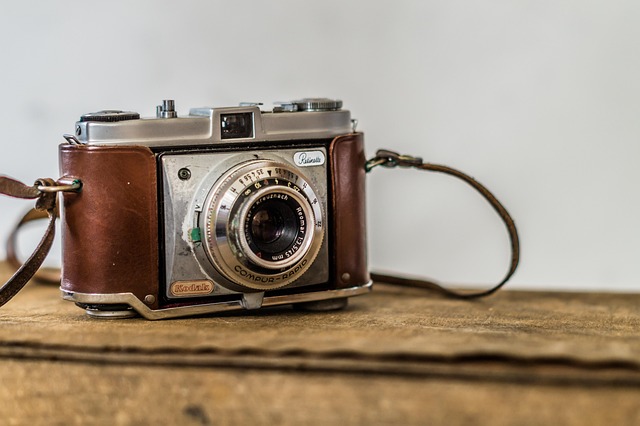
Film as a medium has long been celebrated for its ability to captivate audiences through visual storytelling. Exploring the intricacies of classic film cinematography techniques reveals a rich tapestry of semiotic elements that convey meaning and evoke emotion across diverse genres. From the golden age of Hollywood to arthouse masterpieces, filmmakers employ a range of tools to paint cinematic landscapes, each with its unique industry roles and cultural implications.
The visual narrative in film is not merely about capturing reality but also constructing it through lighting, framing, movement, and composition. For instance, the use of low-key lighting in noir films not only creates a moody atmosphere but also subtly communicates the moral ambiguity of characters and situations. Conversely, high-contrast lighting in comedy scenes can emphasize joy and wit. These techniques are not arbitrary; they serve as a form of visual language that resonates with audiences, reflecting societal norms and cultural values. Film criticism often dissects these choices, highlighting their impact on audience perception and engagement.
A closer look at classic films reveals the intricate interplay between cinematography and storytelling. In “Citizen Kane,” Orson Welles’ innovative use of deep focus and unique camera angles challenges traditional narrative structures, mirroring the complexity of Charles Foster Kane’s character. This technique underscores the film’s semiotic role in presenting a multi-dimensional protagonist, reflecting contemporary industry debates about visual storytelling’s power to shape public opinion. Similarly, the sweeping panoramas in epic historical dramas can transport viewers to different eras, demonstrating how cinematography can serve as a portal to cultural reflection and historical interpretation.
As filmmakers continue to push boundaries, experimental techniques like hand-held cameras in documentaries or unconventional framing in surrealist films challenge conventional norms. For instance, “Rosemary’s Baby” employs jittery camera movements to heighten suspense, creating a sense of unease that complements the psychological thriller narrative. These innovative approaches not only drive visual storytelling forward but also invite viewers to engage critically with film as a cultural artifact. Those seeking to delve deeper into these techniques can consult experimental films specialists, who offer unique insights into the art and science of cinematography.
The Art of Lighting and Composition for Impactful Scenes
The art of lighting and composition is a cornerstone of classic film cinematography, where each frame is meticulously crafted to evoke emotion and tell a compelling story. Masterful use of light and visual arrangement can transform a mundane scene into an iconic moment, capturing the audience’s attention and enhancing the overall cinematic experience. Filmmakers of the past perfected this art, creating timeless visuals that continue to inspire contemporary filmmakers.
Lighting sets the tone and atmosphere for a scene, influencing the viewer’s perception. Traditional techniques like natural light, high-key lighting, and low-key lighting are powerful tools. For instance, the classic Hollywood style often employed three-point lighting—a key light, fill light, and backlight—to create depth and dimension, ensuring actor performances were always the focal point. This approach not only highlights the subject but also establishes a visual language understood by mainstream audiences. In digital conservation, restoring these films with precision allows us to preserve this cinematic language for future generations.
Composition is about framing the shot, utilizing negative space, and guiding the viewer’s eye to key elements. Classic filmmakers often employed creative techniques like leading lines, rule of thirds, and deep focus to create visually appealing compositions. Consider the iconic opening scene of Citizen Kane, where the camera slowly pans across a vast room, using depth and composition to convey power and isolation. These compositional choices not only enhance the storytelling but also enable special effects, such as location scouting, to bring fantastical scenes to life, as seen in many classic fantasy epics.
By combining lighting and composition, filmmakers can create visually striking scenes that transcend time. These techniques are not merely historical curiosities; they remain relevant today, influencing modern cinema and digital conservation efforts. Understanding these fundamentals allows contemporary filmmakers to pay homage to the past while crafting visually captivating content for mainstream appeal.
Classic Film Editing: Shaping Narrative Flow and Rhythm
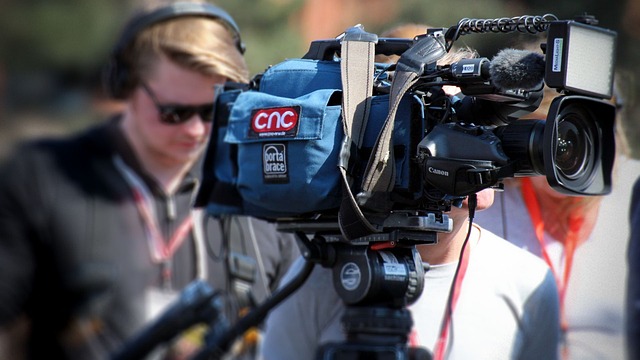
Classic film editing is a subtle yet profound art form that shapes the narrative flow and rhythm of a story. The process involves manipulating footage to create a seamless and compelling cinematic experience, akin to a conductor leading an orchestra. Film editors act as architects of time, selecting and arranging scenes to mirror the emotional beats and thematic pulses of the film as an artistic medium. One need look no further than the iconic montage sequences in films like “Citizen Kane” or “Casablanca” to witness the power of editing in driving narrative momentum.
These classic examples illustrate how well-executed editing can transcend mere sequence of events, weaving together visual metaphors and thematic connections that resonate deeply with viewers. Modern editing suites are now equipped with sophisticated software capable of achieving these complex edits, but the core principles remain rooted in the art of storytelling. Film editors must understand not only the technical aspects of their craft but also possess a deep appreciation for cinematic metaphors and the psychology of visual rhythm. This mastery allows them to shape the audience’s perception, building tension where needed or allowing moments of reflection.
The influence of editing extends beyond the screen, impacting audience engagement and interpretation of the film as an art form. Fan theories often center around subtle editing cues, suggesting hidden meanings or alternative interpretations. This interplay between conscious storytelling and unconscious symbolism highlights the depth achievable through masterful film editing. To truly master this craft, aspiring editors must immerse themselves in the history of cinema, study diverse editing styles, and continually explore new techniques. By understanding the fundamentals and experimenting with innovative approaches, they can elevate their work to the level of classic film masterpieces. Remember that cutting techniques are as essential to a film‘s success as the actors’ performances or the director’s vision.
By delving into the foundational techniques of classic film cinematography, this article has offered a comprehensive guide for aspiring filmmakers. From mastering basic principles to exploring genre-specific storytelling, the key insights provide a solid framework for visual narrative construction. Understanding lighting and composition as powerful tools allows creators to craft visually striking scenes that captivate audiences. Additionally, the art of film editing is revealed as a vital element in controlling narrative flow and rhythm, ensuring every shot serves a purpose. Armed with these essential skills, filmmakers can confidently navigate their own creative journeys, leaving a lasting impact on the world of film.
About the Author